Physical Address
304 North Cardinal St.
Dorchester Center, MA 02124
Physical Address
304 North Cardinal St.
Dorchester Center, MA 02124
Diving into forex trading for beginners can feel overwhelming, but it is actually a manageable and rewarding journey when you have the right foundation. Many people want to learn how to navigate the currency markets, yet they hesitate because the financial terminology seems far too complex. However, absolutely anyone can grasp the core basics and learn how to start forex trading with a clear, step-by-step approach. This comprehensive guide will walk you through the essential concepts you need to build your confidence as a brand-new trader.
The currency market is unlike any other financial sector in the world due to its massive daily trading volume and high liquidity. Every single day, trillions of dollars change hands rapidly across various international time zones. To truly understand this massive scale, you simply need to look at the global foreign exchange market, which operates 24 hours a day, five days a week. This continuous, decentralized operation provides countless opportunities for traders to capitalize on minor price movements.
As you read through this ultimate guide, you will discover the fundamental mechanics of how international currencies are bought and sold. We will explore highly practical strategies to protect your initial capital and manage trading risks effectively. Let us break down all the complex barriers so you can begin your trading adventure safely and intelligently.
At its core, forex, or foreign exchange, is the simple act of converting one country’s currency into another. You have likely participated in this massive market if you have ever traveled abroad and exchanged your local money for foreign cash. Therefore, the basic concept is quite straightforward. People, corporations, and governments do this every single day to facilitate global trade, tourism, and international investment.
However, in the financial trading world, investors actively look to profit from the constantly changing values of these currencies. Engaging in FX trading for novices simply means you are learning how to speculate on whether a specific currency will rise or fall in value over time. Ultimately, as you explore forex trading for beginners, you buy a currency when you expect its price to increase, and you sell it when you firmly believe it will decrease.
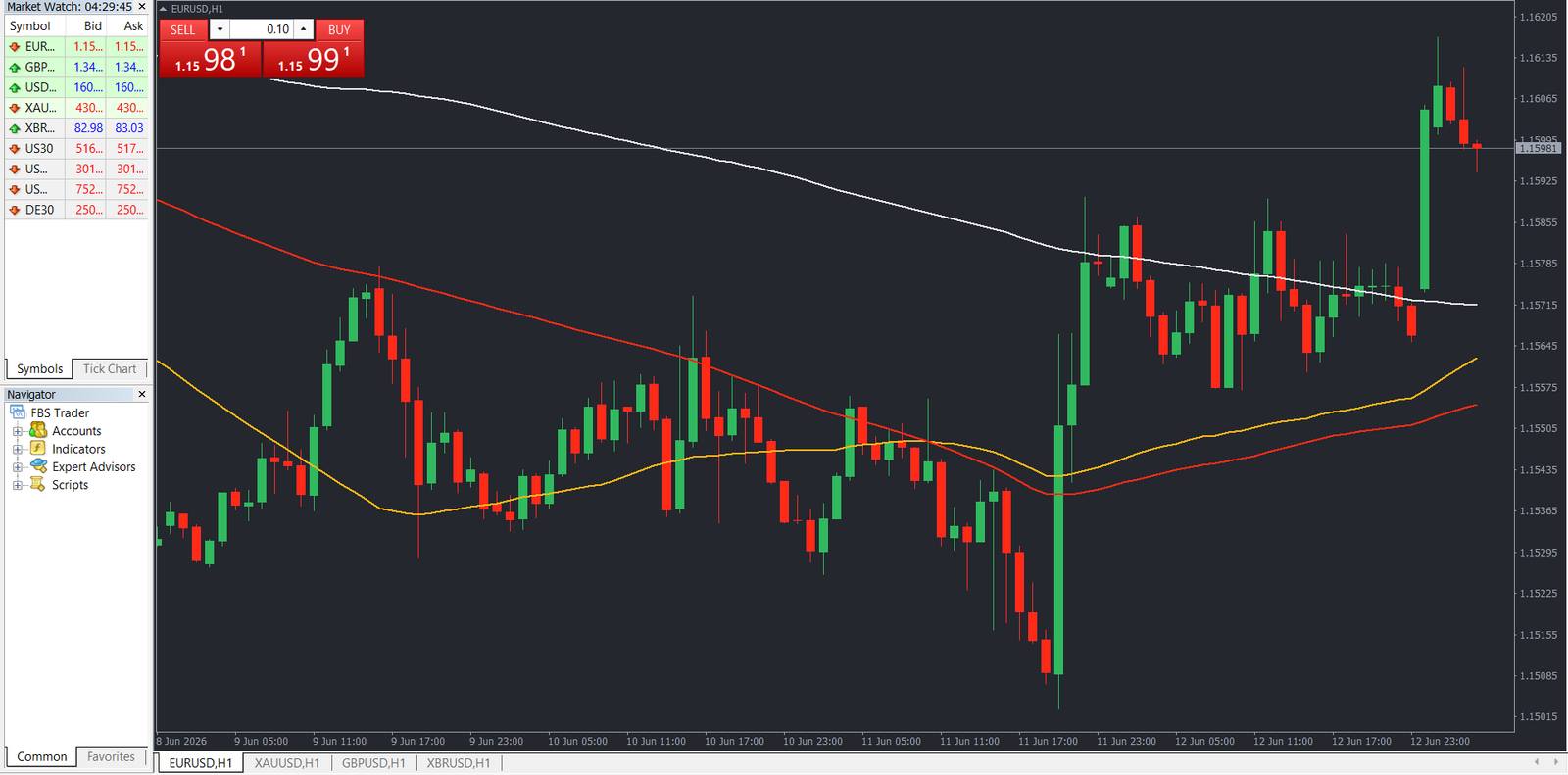
Furthermore, it is crucial to realize that currencies are never traded individually. Instead, they are always exchanged in pairs, such as the Euro and the US Dollar (EUR/USD). Consequently, grasping how this specific pairing mechanism works is a vital foundational skill. For instance, understanding forex quotes is your very first major step toward making informed and confident trading decisions in the live market.
When you finally decide to start forex trading, taking a cautious and well-planned approach is absolutely essential. Many beginners rush into the live market expecting immediate profits, which unfortunately often leads to rapid financial losses. Therefore, building a solid mental foundation and establishing strict capital protection rules must be your top priorities from day one.
Firstly, you need to accept that losing trades are an inevitable part of the overall investment journey. Consequently, you must practice emotional discipline to prevent fear or greed from dictating your financial decisions. Furthermore, implementing robust risk management strategies will safeguard your account balance during highly volatile market conditions.
Here are a few critical guidelines to ensure a secure beginning to your trading career:
Before you ever risk a single penny of your hard-earned cash on forex trading for beginners, you must utilize a practice platform. This specialized training environment provides you with a simulated trading terminal funded entirely by virtual currency. Thus, you can directly experience live market conditions, test various analytical strategies, and master the software interface without facing any real financial consequences.
Transitioning from theoretical knowledge to practical execution takes considerable time and patience. Therefore, using a risk-free environment allows you to build the necessary technical muscle memory and psychological confidence. Do not skip this crucial learning phase. Take action now, open a free demo account today, and thoroughly prepare yourself before tackling the actual currency market.
Once you understand the basics and practice thoroughly, you must select a reliable partner to execute your real trades. Choosing a secure, properly regulated broker is undeniably the most crucial step before you ever deposit your hard-earned funds. Therefore, you should always verify their official licenses to ensure your money remains securely protected against fraudulent activities.
Fortunately, the global market offers a wide variety of excellent services tailored specifically for newcomers. When you start comparing the available options, you will discover numerous top regulated FX trading platforms designed to simplify your initial trading experience. Consequently, taking the time to research these reputable providers will significantly reduce your overall financial risk.
In conclusion, mastering the currency market requires continuous education, strict risk management, and reliable software tools. You now possess the foundational knowledge needed to navigate this exciting financial landscape safely. Do not wait any longer; apply what you have learned today by opening your free practice account and take your very first step toward trading success!
Embarking on your journey into the currency markets is undeniably an exciting endeavor, provided you take the time to learn the fundamental mechanics first. We have carefully covered the essential concepts of exchange rates, the critical importance of risk management, and the absolute necessity of using a practice environment. Consequently, you are now much better equipped to navigate this dynamic financial landscape without making costly beginner mistakes.
However, theoretical knowledge can only take you so far. The most effective way to truly master these trading concepts is through consistent, hands-on experience in a safe, risk-free setting. Therefore, we highly recommend that you take immediate action to apply everything you have learned today.
Are you ready to test your new skills and build your confidence? Explore our recommended top regulated FX trading platforms right now, open your completely free demo account, and start your trading adventure securely!